


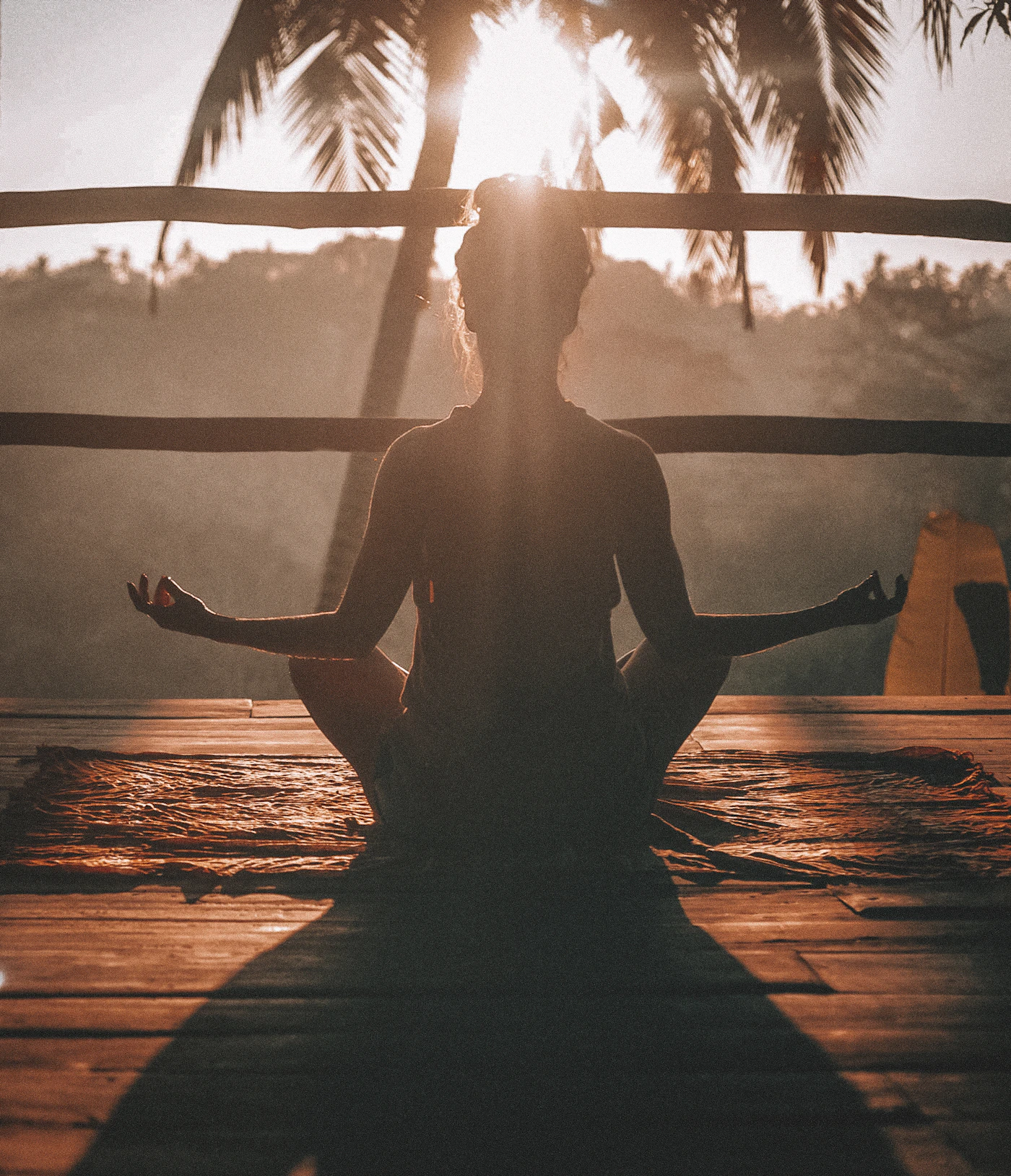
Spain tends to get flattened in the European yoga retreat conversation. Mention it and people think of Ibiza, and when they think of Ibiza they think of clubs, not downward dogs. This is a shame, because Spain has one of the most geographically and culturally diverse retreat landscapes on the continent — year-round sun in the Canaries, dramatic Andalusian mountain villages, the genuine spiritual legacy of Ibiza’s countercultural north, and a wild, mist-draped northwest that barely registers in the wellness travel press.
The practical case for Spain is also compelling. Budget airlines connect most European cities to a dozen Spanish airports. The food culture is extraordinary — tapas, fresh seafood, Iberian produce — and translates naturally into retreat cooking. Spanish retreat pricing is competitive by European standards, particularly in Andalusia and the Canaries. And the country spans enough climate zones that it offers a year-round option for every month of the year.
This guide covers the five distinct retreat territories in Spain, each with its own character, season, and appeal. Where you go depends on what you’re looking for — and on being honest with yourself about whether you want mountain silence, Atlantic wind, or whitewashed-village beauty.
Why Spain for Yoga
The case for Spain starts with geography. Few countries in Europe pack as much landscape variation into one territory: the Sierra Nevada rises to 3,479 metres above Granada; the Canary Islands sit 100 kilometres off the African coast; Galicia’s coastline is Celtic and green and nothing like Andalusia. This diversity means that Spain can offer genuinely different retreat experiences — altitude practice, surf yoga, silent mountain retreats, island wellness — without leaving the same country.
The cultural argument is equally strong. Spain’s food culture is one of the world’s great ones. The produce is exceptional — olive oil from Jaén (the world’s largest olive oil producing province), tomatoes from Almería, the sherry wines of Jerez that you can visit but don’t need to drink. The Spanish approach to eating — communal, unhurried, ingredient-focused — is, in its own way, a practice of presence. Good retreat kitchens in Spain work with these ingredients naturally rather than fighting the local food culture to produce something generically “healthy.”
Spain is also a mature tourist destination with reliable infrastructure. Getting to almost any retreat requires straightforward flights on budget carriers, and once you’re in-country, the transport network is good. This removes a level of logistical friction that can make more exotic destinations exhausting.
Best Time to Visit
Canary Islands: October through April — winter sun with reliable temperatures of 18–24°C, strong trade winds that keep even the hottest days comfortable, and virtually none of the summer mainland crowds. If you want to do a yoga retreat in January or February, the Canaries are your European answer.
Andalusia and mainland Spain: April–June and September–October — the shoulder seasons are perfect. Spring brings wildflowers to the mountain villages and cool enough temperatures for afternoon hiking alongside morning yoga. Autumn brings the harvest, lower prices, and uncrowded landscapes.
Ibiza: May and September — the island’s serious yoga retreats often run in these months deliberately, avoiding the peak summer intensity. The sea is warm in September (22–24°C), the beaches are quiet after August, and the northern interior is at its most beautiful.
Galicia: May–September — the northwest’s famous rain is less prevalent in summer, though some rain is always possible and should be expected. The lush green landscape that makes Galicia special is partly a product of that rain, so it comes with the territory.
What to Expect From Retreats Here
Spain’s retreat landscape is diverse in style and quality. The cortijo retreat in Andalusia — a traditional southern Spanish farmhouse, often with a central courtyard, whitewashed walls, and terracotta tiles — is the equivalent of Italy’s agriturismo model. Groups are usually 8–14 people, food is locally sourced and often cooked by local women with serious kitchen experience, and the pace is genuinely slow. These are among the most authentic-feeling retreats in Europe.
Ibiza retreats operate differently: the island has a year-round community of resident teachers and wellness practitioners, which means the teaching quality tends to be higher and more consistent than at destination retreats that import teachers seasonally. Many Ibiza programmes run weekly and can be joined on a rolling basis, which gives more flexibility than block-booking retreats elsewhere.
Canary Islands retreats range widely — from purpose-built wellness hotels in Tenerife that run yoga alongside standard hotel offerings, to small independent retreat centres in the rural north of each island. The latter are generally more worthwhile; the former can feel like yoga being bolted onto a hotel experience rather than integrated into it.
Surf-yoga retreats on the Atlantic coast are a specific product: expect surf lessons in the afternoon, yoga in the morning, communal dinners, and a group dynamic that skews younger and more physically active than mountain or village retreats. Tarifa attracts a mix of nationalities; Fuerteventura tends to draw more northern Europeans specifically chasing the surf.
Best Areas and Regions
Sierra Nevada and the Alpujarras (Andalusia): The mountains above Granada offer retreat conditions that surprise people who think of Andalusia as hot and flat. The Alpujarras — the white villages on the southern slopes of the Sierra Nevada — sit at 900–1,400 metres and are significantly cooler than the coast. Yoga at altitude with views across to North Africa on clear days is a genuinely extraordinary experience. The village architecture is Moorish-Berber, the food is mountain-robust, and the proximity to Granada’s Alhambra makes a pre-retreat day there easy to arrange.
White Villages of Málaga and Cádiz Province: The pueblos blancos — whitewashed hilltop villages across western Andalusia — are among the most beautiful landscapes in Europe. Ronda, perched dramatically above a gorge; Grazalema, in the mountains behind Cádiz; Vejer de la Frontera, near the Atlantic coast — these villages host small retreat centres that trade entirely on their setting and the quality of their local food.
Ibiza (North and Interior): The municipalities of Sant Joan de Labritja and Sant Llorenç des Cardassar in the island’s north are essentially rural, green, and quiet. The retreat infrastructure here has been building since the 1970s and is now sophisticated. Many of the teachers who work in Ibiza year-round have been there for decades and bring a depth of practice that is uncommon in retreat settings.
Tenerife (Canary Islands): The island divides neatly: the south is resort territory; the north, around La Orotava and the Anaga Peninsula, is rural, dramatic, and genuinely beautiful. Retreats in the north benefit from the volcanic landscape, the cloud forests of the Anaga, and the proximity to Mount Teide for those who want to incorporate hiking.
Tarifa and Atlantic Coast: Europe’s southernmost mainland point, Tarifa is windswept, young, and dedicated to wind-based sports. The surf-yoga combination here is the most developed in mainland Spain. It’s not a landscape that rewards contemplative practice particularly, but for those who want physical engagement alongside yoga, it’s ideal.
Galicia: The far northwest is almost unknown on the international retreat circuit and is the better for it. Santiago de Compostela anchors a landscape of granite churches, green meadows, and Atlantic coastline. Walking retreats based on sections of the Camino de Santiago, incorporating yoga and meditation, are a growing offering here. It rains. The seafood is some of the finest in the world.
Yoga Styles Available
Vinyasa yoga dominates the surf-yoga circuit and the Ibiza wellness market, reflecting the preference for dynamic practice among the younger demographic those settings attract. Hatha yoga is the baseline across Andalusian village retreats, where the slower pace suits the setting and the European market that travels here.
Yin yoga has a strong following in Ibiza’s more established retreat centres, often combined with sound healing and breathwork in a reflection of the island’s more eclectic spiritual culture. Ashtanga yoga retreats exist, particularly in Ibiza, where the committed practitioner community supports Mysore-style programmes.
Ayurveda integration is less common in Spain than in countries with a direct South Asian heritage, but some Andalusian retreats — particularly those run by teachers trained in India — incorporate seasonal and constitutional eating principles that align with ayurvedic thinking.
Flamenco and Spanish cultural integration is a genuine and sometimes wonderful addition at Andalusian retreats: the physicality of flamenco, its emphasis on breath and grounded energy, has real resonance with yoga practice. Not every operator does this well, but the best ones create something that is genuinely Spanish rather than generically international.
Who It’s Best For
Spain suits a wider range of practitioners than most European destinations precisely because of its variety. Surf-yoga seekers find the Atlantic coast purpose-built for them. Winter sun retreaters who can’t face another dark European January have the Canaries as a reliable option. Cultural travellers who want yoga in an architecturally rich setting get Andalusia’s village retreats. Community-oriented practitioners who want to find serious teachers and a year-round wellness scene get Ibiza’s north.
Spain is also good for mixed-level groups — the flexibility of the retreat market here, and the abundance of beginner-friendly programming in Andalusia, means that groups of friends at different levels of practice can find something that works for everyone.
It is less ideal for those seeking the deep immersion of an India-based practice, or the tropical lushness of Bali retreats. Spain is resolutely European in its approach to yoga — which is a strength if that’s what you want, and a limitation if you’re looking for something more exotic.
How to Vet a Retreat
Spain’s retreat market is mature and varied enough that due diligence matters. A beautiful cortijo can mask mediocre teaching; a well-marketed Ibiza retreat can turn out to be accommodation-heavy and practice-light. Our vetting process at World’s Yoga Retreats specifically evaluates teacher credentials, the ratio of practice hours to amenity marketing, and multi-year guest feedback rather than recent reviews alone.
Specific questions for Spain:
- For surf retreats: Are surf instructors licensed? What is the maximum surf group size? Are wetsuits provided or rental?
- For Ibiza retreats: Is the retreat located in the north/interior or near the party towns? This matters more than you might think.
- For Andalusia retreats: What language is the teaching in? English-language retreats are common, but some programmes are Spanish-language only.
- For Canary Islands: Is this a yoga-in-a-hotel experience or a dedicated retreat centre? The difference in practice depth is significant.
Cost Guide
| Category | Price Range (per person/week) |
|---|---|
| Shared room, Andalusia cortijo, all meals | €800–€1,400 |
| Private room, Ibiza finca, all meals | €1,300–€2,200 |
| Surf-yoga camp, Atlantic coast | €900–€1,500 |
| Canary Islands retreat | €900–€1,800 |
| Premium Ibiza retreat, luxury | €2,200–€3,000 |
Flights from the UK are particularly affordable — Ryanair and easyJet connect London, Manchester, Edinburgh, and other major cities to Málaga, Seville, Ibiza, Tenerife, and Fuerteventura for €30–€150 return if booked ahead. Spain is one of the strongest-value retreat destinations in Europe when you account for total trip cost.
Practical Tips
Book Ibiza retreats well in advance. The island’s best programmes, particularly in May and September, fill months ahead. Summer bookings for reputable centres often close by February.
For Andalusia, consider flying into Seville or Málaga rather than Granada. Málaga has the most connections; Seville has a more beautiful city centre for a pre-retreat day. Granada is worth the extra effort if the Alhambra is on your list.
The Canary Islands have different microclimates on each side of each island. The north of Tenerife and the north of Gran Canaria are wetter and greener; the south is drier and sunnier. Know which side your retreat is on.
Spanish mealtimes are non-negotiable. Retreats that don’t adjust their food schedule to account for the Spanish rhythm (lunch as the main meal, late dinner) are missing an opportunity. Ask how the kitchen operates.
Learn the olive oil question. In Andalusia particularly, asking where the retreat’s olive oil comes from is a revealing question — an operator who knows their supplier is an operator who cares about food.
For comparison with other European destinations, see Portugal retreats, Greece retreats, Italy retreats, and Croatia retreats.
Frequently Asked Questions
Where in Spain is best for a yoga retreat?
It depends entirely on what you want from the experience. For landscape beauty and cultural immersion, Andalusia — particularly the villages of the Sierra Nevada foothills and the white villages of Málaga and Cádiz province — is the most rewarding. Ibiza has the most established wellness infrastructure and a strong community of serious teachers. The Canary Islands (particularly Tenerife and Fuerteventura) are the best choice for winter sun. Galicia in the northwest offers something completely different: mist, Celtic landscape, and a quieter, more contemplative atmosphere.
What is the Ibiza wellness scene like for yoga retreats?
Ibiza’s reputation for nightlife has thoroughly overshadowed its equally long history as a spiritual retreat destination. The island attracted hippie communities from the 1960s onward, and that countercultural spiritual lineage is still very much alive — independent of the club circuit. The north and interior of the island (Sant Joan, Sant Carles, Santa Agnès) are genuinely rural and quiet, and many of the island’s best yoga retreat centres are located there. Most serious yoga retreats in Ibiza actively avoid the party culture, run alcohol-free programmes, and draw on a community of long-term resident teachers who chose the island for its energy, not its DJ bookings.
When is the best time for a yoga retreat in Spain?
The Canary Islands are genuinely viable year-round — January in Tenerife is 20°C and reliably sunny. For mainland Spain, April through June and September through October are the ideal windows: warm but not oppressive, uncrowded, and at their most beautiful. Ibiza is best in May and September — peak summer (July/August) is busy and expensive, though serious yoga retreats run throughout. Andalusia’s summer heat, particularly in inland villages, is intense — July and August retreats either operate at elevation or schedule practice entirely around the heat.
Are the Canary Islands good for yoga retreats?
They are excellent and criminally underrated in the yoga retreat conversation. Tenerife has a growing retreat scene, particularly around the rural north and the slopes of Mount Teide — the altitude (2,000–3,000m at higher points) is used by some programmes for pranayama and breathing work. Fuerteventura is the best surf-yoga option in the Canaries. La Gomera is the most remote and contemplative of the accessible islands, with dramatic volcanic terrain and a population of a few thousand. Lanzarote, with its lunar volcanic landscape, attracts artists and practitioners who respond to extreme landscape.
How much does a yoga retreat in Spain cost?
Spain is one of Europe’s more accessible retreat destinations. A week-long retreat in rural Andalusia or inland Ibiza in a shared room typically runs €800–€1,400 all-inclusive. Private rooms push this to €1,200–€2,000. Higher-end retreats in luxury cortijo conversions or premium Ibiza fincas reach €2,500. Canary Island retreats tend to be mid-range: €900–€1,800. The combination of reasonable accommodation costs, Spain’s strong budget airline connections, and the pound/euro dynamic makes Spain competitive with other European retreat destinations.
Can I combine yoga and surfing in Spain?
Yes, and Spain is one of the best places in Europe to do it. The Atlantic coast around Tarifa — at the southern tip of mainland Spain where the Atlantic meets the Mediterranean — has a well-developed surf-yoga circuit. The wind is consistent (Tarifa is also Europe’s windsurfing capital), the beaches are long, and a number of retreat operators specifically combine morning yoga with afternoon surf lessons. Fuerteventura in the Canaries is another excellent option, particularly for those who want reliable surf conditions in a warm climate. The Basque Country’s Atlantic coast around San Sebastián has a smaller but dedicated surf-yoga scene for those who want that combination with serious food culture.