


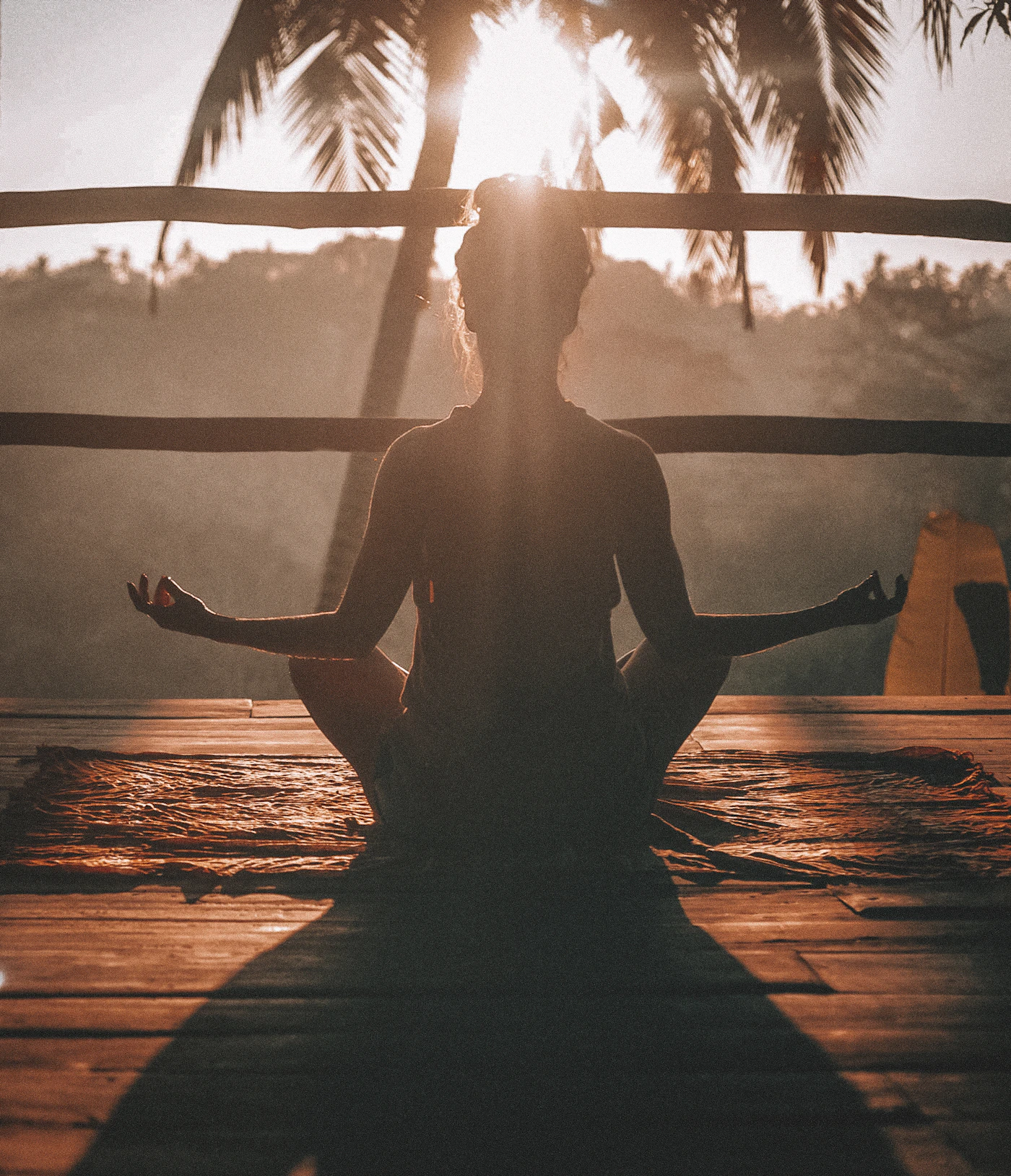
There’s a particular kind of January morning in Mandrem that stays with you. The light comes up slowly over the Arabian Sea, the air carries just enough cool to make a sun salutation feel like a gift, and by 7am you’re on a shala open to the beach breeze, practising with teachers who’ve spent decades refining their craft. Goa — beach destination, party capital, backpacker circuit — has quietly built one of the world’s most significant yoga communities, and it deserves to be taken seriously.
Yoga came to Goa’s North Coast in the late 1990s, carried by European and American practitioners who discovered that Arambol and the beaches nearby offered winter sun, cheap guesthouses, and an increasingly rich web of Ashtanga, Hatha, and meditation teachers. Decades later, that community has matured. What you’ll find now is a genuine ecosystem: established retreat centres with dedicated shalas, visiting master teachers running 10- and 28-day immersions, Ayurvedic clinics staffed by trained vaidyas, and a network of international practitioners who return every winter as reliably as the swallows.
This guide is written for the practitioner who wants to use their time in Goa well — who wants to know where to go, when to go, what things actually cost, and how to distinguish the serious offerings from the beach-yoga-casual ones. There’s a lot of both here, and the difference is worth knowing.
Why Goa for Yoga
Goa’s yoga credentials rest on three things: its international teacher community, its lineage traditions, and its accessibility.
The teacher community is real. Arambol, Mandrem, and Morjim attract experienced Ashtanga practitioners who trained in Mysore with Sharath Jois or his predecessors, certified Iyengar teachers from Europe, Hatha teachers with decades of traditional training, and somatic movement teachers drawn by the warm winters and low cost of living. From November through March, you’ll find a concentration of teaching talent per square kilometre that rivals dedicated yoga towns like Rishikesh or Ubud.
The lineage traditions matter because Goa’s yoga history is long enough to have produced second-generation teachers — people who learned from the first wave of Western teachers who came here in the nineties, who then trained further and returned. This creates a depth of practice culture that simple party-destination stereotypes don’t capture.
And accessibility: Goa is served by Dabolim Airport (GOI) with direct flights from Mumbai, Delhi, and seasonal charters from the UK, Germany, and Scandinavia. It’s easy to reach, the visa process is straightforward, and the INR pricing makes even good retreats genuinely affordable for international visitors.
Best Time to Visit
November to March is the window for yoga retreats in Goa, and within that, December to February is the sweet spot. The northeast monsoon has cleared, temperatures sit in the mid-to-high twenties, evenings are pleasant enough for outdoor dinners, and the Arabian Sea is calm and swimmable.
December and January offer the widest selection of programs. Many visiting teachers run intensive formats during this period — 10-day Ashtanga immersions, 200-hour teacher trainings, month-long residencies. Book at least 2 months ahead for anything in this window; well-regarded retreats fill quickly.
November is a quieter, slightly cheaper option. The monsoon is fully done, the beach scene is just reopening, and you’ll find lower prices with fewer crowds. Some centres are still setting up their season programs, but individual classes and shorter retreats are easily available.
October is transition month — humidity still lingers, some centres haven’t opened, but the landscape is lush and beautiful. Worth considering if budget is the primary constraint.
Avoid April through September entirely. The monsoon is serious here — weeks of heavy rain, closed beaches, and most retreat centres shut for the season. May and June are brutally humid before the rains arrive.
What to Expect From Retreats Here
Goa retreat programs are typically shorter than the Indian average — 4, 7, or 10 days rather than the 21-day or month-long formats common in Rishikesh or Kerala. This reflects the destination’s character: Goa attracts people who are also travelling the country or spending time at the beach, and retreat operators have built programs to fit that reality.
Daily structure at a typical mid-range Goa retreat: morning practice at 7am (Ashtanga, Hatha, or Vinyasa), pranayama and meditation, Ayurvedic breakfast, optional afternoon workshop or therapy session (marma massage, Ayurvedic consultation, sound healing), evening yoga or Yoga Nidra, and dinner. Some centres have a strong community feeling with shared meal tables; others are more independent.
Accommodation ranges from simple beach huts with attached bathroom (budget options, perfectly comfortable in the cool season) to private rooms in beautifully designed eco-lodges with gardens and plunge pools. North Goa centres tend to be more rustic; the rare upscale offering in South Goa can be quite luxurious.
Food at dedicated retreat centres is almost always vegetarian, often Ayurvedic-influenced. Expect coconut, rice, dal, fresh vegetables, and locally caught fish at places that allow it. Outside the retreat, Goa’s food scene is exceptional — the combination of Portuguese culinary legacy and Konkani traditions creates some of India’s most distinctive cooking.
Best Areas for Yoga
Arambol
Arambol is the original North Goa yoga hub — scruffier, more social, and more eclectic than anywhere else on the coast. The famous Arambol drum circle happens on the beach at sunset and the village has an unmistakable hippie-meets-spiritual energy. You’ll find yoga classes in open shalas, under trees, and in converted spaces above restaurants. Arambol is best for practitioners who want community, variety, and the chance to dip in and out of different teachers without committing to a structured retreat.
Mandrem
Mandrem, 8km north of Arambol, is where serious practitioners tend to gravitate. The beach is quieter (turtles nest here, which limits development), the village is calmer, and the retreat centres that have established themselves here are generally more dedicated to structured programs. Mandrem has a genuine retreat-town feeling — you can practise for a week without the distractions of bar culture. If you’re investing in a retreat experience rather than a yoga holiday, start here.
Morjim
Morjim sits between Mandrem and the Chapora River and has developed its own small cluster of retreat centres. The beach is wide and uncrowded, Russian tourists have colonised parts of it (which keeps some other visitors away, inadvertently keeping it quieter), and the yoga offerings here tend toward smaller, more intimate programmes run by long-term teacher residents.
South Goa
South Goa — Palolem, Agonda, Benaulim — is beautiful and significantly quieter than the north. Yoga is available but the infrastructure is thin. What exists tends to be resort-based spa yoga rather than dedicated retreat programs. Worth visiting for a few days of independent practice or as a quieter bookend to a North Goa retreat, but not the place to plan a serious yoga program around.
Yoga Styles Available
Ashtanga Vinyasa has the strongest lineage in Goa. Multiple teachers in Mandrem and Arambol have authorised or certified status from the Jois Institute in Mysore. If Ashtanga practice — the Primary or Intermediate Series, Mysore-style self-practice, or led classes — is what you’re seeking, Goa is an excellent place to pursue it. Explore Ashtanga retreats across our directory for comparison.
Hatha yoga is everywhere and highly variable. At the top end, you’ll find teachers with 20+ years of traditional training offering genuinely rigorous practice. At the casual end, drop-in beach classes may be gentle and enjoyable but shouldn’t be mistaken for classical Hatha teaching. Ask about the teacher’s training lineage specifically.
Vinyasa Flow is popular with the international visitor demographic and offered at most retreat centres. It fills the middle ground between Ashtanga rigour and casual beach yoga, and the quality varies accordingly.
Yin Yoga appears regularly in retreat programs as an afternoon or evening practice — particularly popular in longer formats as a complement to morning Ashtanga or Vinyasa. See Yin retreats for more.
Ayurveda is not a yoga style but is deeply integrated into many Goa retreats. Centres with resident Ayurvedic doctors offer Panchakarma consultations, Abhyanga massage, Shirodhara, and dietary recommendations alongside yoga. The combination of daily yoga and Ayurvedic therapies makes for exceptionally restorative programs.
Who It’s Best For
Goa yoga retreats are best suited to:
- Intermediate to advanced practitioners wanting access to excellent Ashtanga and Hatha teachers in an affordable setting
- First-timers to India who want a yoga experience without Rishikesh’s intensity — Goa is considerably more accessible for Western visitors new to the country
- Ayurveda seekers who want treatments alongside practice (for pure Ayurveda depth, Kerala retreats go further)
- Shorter-format retreats — 4 to 10 days rather than month-long immersions
- Practitioners who want community — the international wintering community in Arambol and Mandrem creates a social context that isolated mountain or jungle retreats can’t offer
Goa is less suited to those wanting a deeply immersive, off-grid spiritual experience. For that, Rishikesh retreats or Kerala retreats are a better fit.
How to Vet a Retreat
The Goa market has more casual operators than most destinations. When evaluating a retreat, check: the lead teacher’s training lineage and years of teaching experience, the ratio of yoga hours to total program hours (retreats with 2 hours of yoga in an 8-hour day are tourist packages), whether accommodation is on-site or dispersed across guesthouses, and whether the daily schedule is published clearly. We outline exactly what we look for in our how we vet retreats process — it’s particularly useful for screening Goa’s crowded market.
Look for retreat centres that have been operating for at least 3-5 seasons, have verifiable teacher credentials, and show real past participant reviews (not just Google ratings — look for text reviews with specific detail about the teaching).
Cost Guide
Goa is one of India’s most affordable yoga destinations for international visitors, though domestic pricing makes it even more accessible for Indian practitioners.
Budget (₹3,000–₹4,500/night): Simple beach hut or shared room accommodation, group classes, vegetarian meals included. ₹25,000–₹35,000 for 7 days. Standards vary enormously in this bracket — some are excellent, many are very basic.
Mid-range (₹5,000–₹8,000/night): Private room, dedicated shala, structured daily program with experienced teachers, Ayurvedic meals, possibly one or two therapy sessions included. ₹40,000–₹55,000 for 7 days. This is the best-value bracket in Goa.
High-end (₹9,000–₹12,000+/night): Private villa-style accommodation, smaller groups (6-10 participants max), personalised Ayurvedic consultations, senior teachers, immaculate facilities. ₹70,000–₹85,000 for 7 days.
International visitors should note that booking directly with retreat centres (rather than through aggregator platforms) often saves 15-20%, and many centres offer early-bird pricing for bookings made 60+ days in advance.
Practical Tips
Getting there: Dabolim Airport (GOI) serves Goa. Direct flights from Mumbai take 1 hour 15 minutes. IndiGo, Air India, and SpiceJet operate frequent services. International charters from the UK and Germany operate November–March. The airport is 29km from Panaji and roughly 50-60km from North Goa — budget 60-90 minutes by pre-booked taxi.
Getting around: Renting a scooter is the standard mode of transport in North Goa — it gives you freedom to move between beaches and villages easily. If you’re not comfortable on a scooter, local taxis and app-based services (Rapido) are available, though more expensive for daily use.
Visa: Indian e-Visa is available to most nationalities and can be processed in 3–5 business days. Apply through the official Indian government portal.
Money: ATMs are widely available in Arambol, Anjuna, and Mapusa. Retreat centres increasingly accept international cards but always have some cash for local transport and market purchases. The Anjuna flea market (Wednesday mornings, November–April) is worth a visit for yoga clothing, books, and local produce.
Safety and health: Goa is generally safe. Drink bottled water throughout your stay. If you’re combining a retreat with independent travel, be cautious on rented scooters at night — road conditions and other drivers present the main risk. North Goa has a working travellers’ health clinic in Arambol for minor issues.
Connectivity: Mobile data is reliable throughout North Goa (Airtel and Jio SIMs available cheaply at the airport). Most retreat centres have WiFi, though many encourage limited screen time during programs.