


Yoga Glossary
What is Ayurveda?
Ayurveda is a 5,000-year-old Indian system of medicine and lifestyle science that treats the whole person through personalised diet, herbal medicine, therapeutic treatments, and daily rhythms aligned to individual constitution.
Definition
Ayurveda — "the science of life" (from Sanskrit ayur, life, and veda, knowledge) — is one of the world's oldest medical systems, with roots in the Vedic tradition of the Indian subcontinent dating back approximately 5,000 years. Its foundational texts, the Charaka Samhita and Sushruta Samhita, describe a comprehensive medical system encompassing internal medicine, surgery, paediatrics, psychiatry, toxicology, and rejuvenation. Unlike symptom-focused Western medicine, Ayurveda operates on the principle that health is a state of dynamic balance — between the individual constitution, the season, the time of day, and the demands of life — and that disease arises when this balance is disrupted.
The system's central framework is the three doshas: Vata (air and space), Pitta (fire and water), and Kapha (earth and water). Every person is born with a unique combination of these three elemental forces (their prakriti), and health is understood as maintaining alignment with this innate constitution. Illness arises when lifestyle, diet, or environment drives the doshas out of balance (vikriti). Ayurvedic diagnosis involves detailed observation of pulse, tongue, eyes, skin, and questioning about sleep, digestion, and mental tendencies. Treatment is always personalised — no single protocol applies universally.
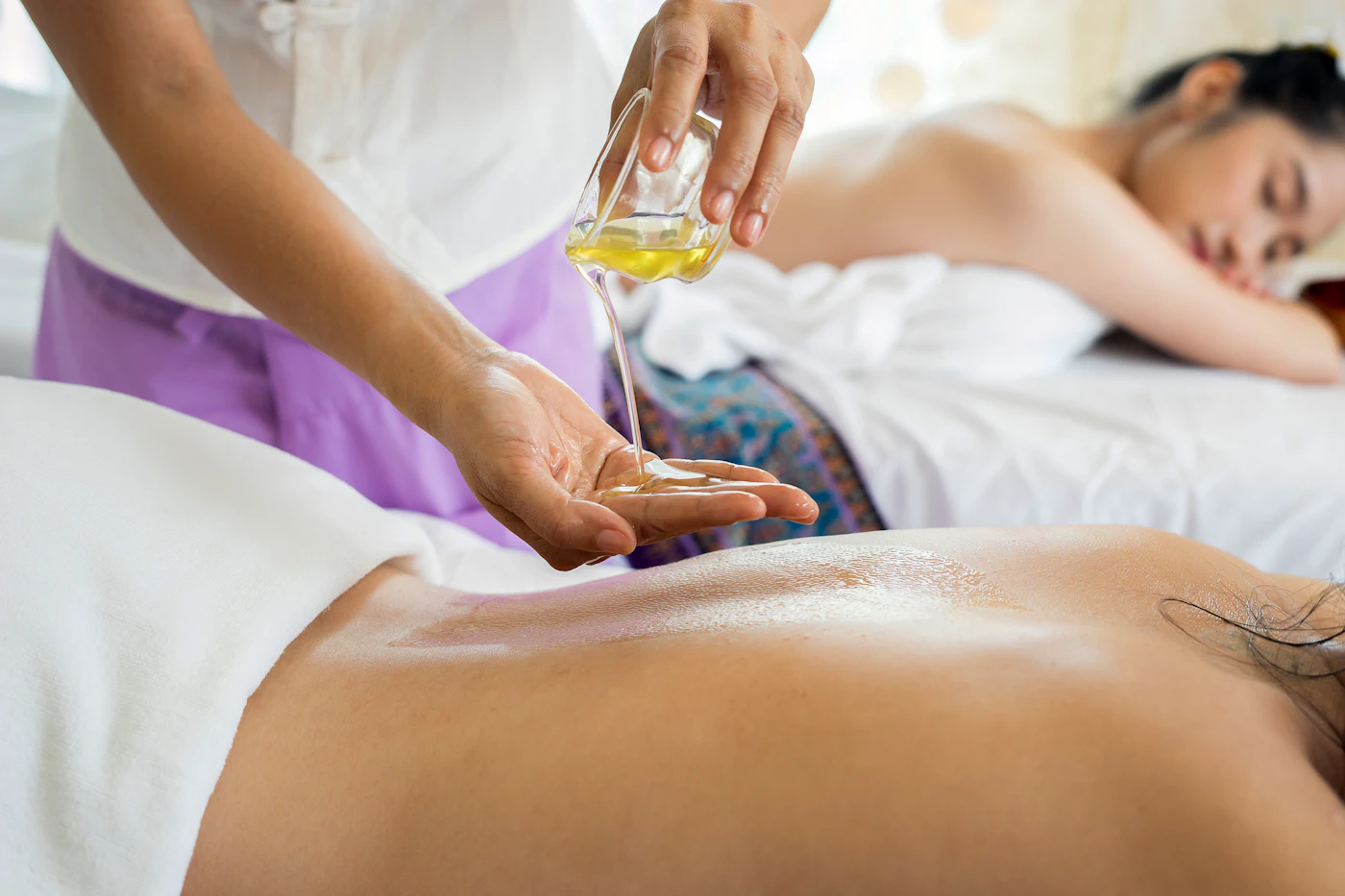
The most rigorous Ayurvedic treatment is Panchakarma: a multi-stage purification process that includes preparatory oil therapies (snehana), sweating treatments (swedana), and five elimination procedures — vamana (emesis), virechana (purgation), basti (medicated enema), nasya (nasal administration), and raktamokshana (bloodletting, rarely used today). A genuine Panchakarma requires a qualified vaidya (Ayurvedic physician), a minimum of 14–21 days, and a carefully controlled diet and daily schedule. "Spa Ayurveda" — relaxing oil massages marketed as Ayurvedic treatment — is not the same practice and should not be confused with clinical Panchakarma.
Who is Ayurveda good for?
- ✓ Women seeking root-cause treatment rather than symptom management for chronic conditions
- ✓ Those dealing with digestive disorders, hormonal imbalance, skin conditions, or chronic fatigue
- ✓ Practitioners who want to understand their individual constitution and build a sustainable daily lifestyle
- ✓ Anyone who has plateaued with conventional medical approaches and wants to explore classical Indian medicine
Where to practise
Find a Ayurveda Retreat
These destinations have the strongest Ayurveda retreat infrastructure — qualified teachers, purpose-built spaces, and a community that supports serious practice.
Questions answered
Ayurveda — Common Questions
01 What is the difference between a genuine Ayurveda retreat and a spa retreat?
A genuine Ayurveda retreat is led by a qualified vaidya (Ayurvedic physician) who conducts a medical consultation, determines your dosha balance, prescribes specific treatments and a diet, and adjusts the programme based on your response over the course of your stay. Spa Ayurveda offers relaxing treatments — Abhyanga massage, Shirodhara — as wellness experiences without a medical framework. The treatments themselves may be the same; what makes a programme clinical is the qualified medical supervision, personalised prescription, and the integration of diet, lifestyle, and treatment into a coherent therapeutic plan.
02 What is a dosha and how do I know mine?
A dosha is one of three fundamental biological forces in Ayurvedic medicine — Vata (governing movement and the nervous system), Pitta (governing transformation, digestion, and metabolism), and Kapha (governing structure, lubrication, and immunity). Your prakriti (birth constitution) is a specific ratio of these three that remains constant throughout your life; your vikriti (current state) reflects any imbalances. The most accurate way to determine your dosha is through pulse diagnosis (nadi pariksha) by a qualified vaidya. Online questionnaires are useful for orientation but not clinically reliable.
03 How long should an Ayurveda retreat be?
For genuine clinical benefit, Panchakarma requires a minimum of 14 days. The first few days are typically preparatory (snehana and swedana), the middle days involve the purification procedures, and the final days focus on rebuilding. Twenty-one days is the traditional gold standard. Shorter programmes of five to seven days can offer introduction to Ayurvedic assessment and supportive treatments and are valuable for wellness, but should not be marketed as Panchakarma.
04 Where is the best place in the world for Ayurveda?
Kerala, India is the global standard for authentic clinical Ayurveda. The state has a continuous, unbroken tradition of vaidya lineages; the monsoon season (June to August) is traditionally considered optimal for Panchakarma because the body's pores open in the humidity. Sri Lanka has a closely related tradition with distinct Sinhalese characteristics. Rishikesh offers Ayurveda within a broader yoga context. Outside India, Bali has spa-Ayurveda well developed, but qualified clinical vaidyas are significantly rarer than in South India.
Continue exploring
More from the Journal
Honest guides and destination deep-dives — written for women who research before they book.